
 uk
uk 
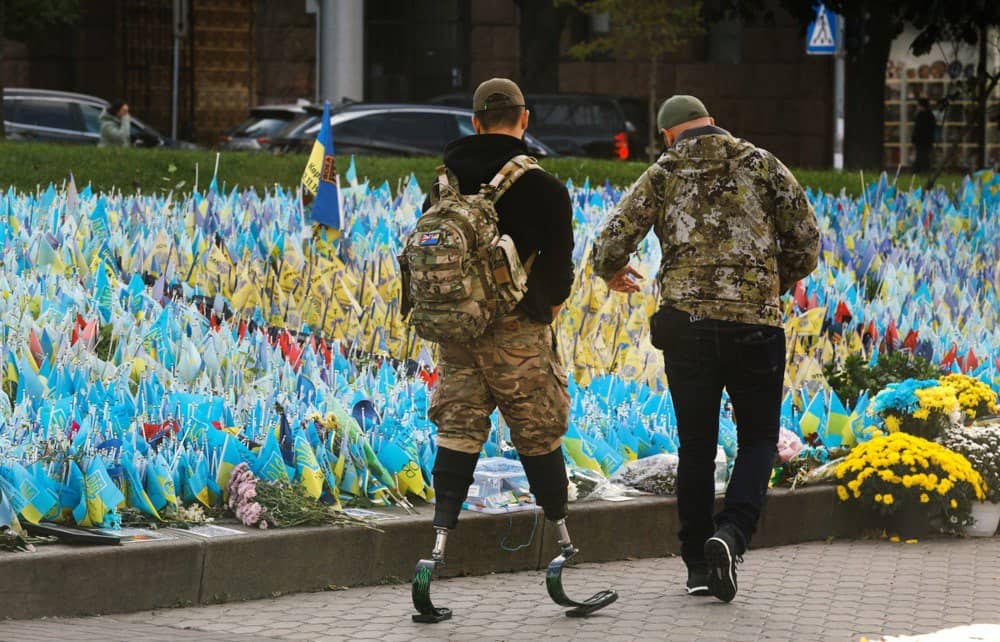
Below are 10 rules for communicating with veterans, which we have prepared based on the recommendations of the volunteer project “Yak ty, brate?” (“How Are You, Brother?”). They will help you better understand people who have returned from the front and support them in everyday life.
Rule 1. Behave naturally, as always
After returning from the front, veterans often have to get used to peaceful life again, finding their place in the family, at work, and among friends. This is a complex and exhausting process that has nothing in common with resting after a vacation.
During this period, many people react more sharply even to ordinary everyday difficulties, conflicts, or detachment from those around them. Sometimes it becomes harder to concentrate, remember new information, or casually keep up a conversation. So the main rule is simple: don’t create additional tension. Communicate just as naturally and kindly as you would with any other person. If your eyes meet — don’t look away. Smile, nod — that is entirely enough to express respect.
Rule 2. Speak carefully about the war and personal experience
You cannot know what emotional state a person is in right now. So at the beginning of communication, it is better to avoid topics that may evoke painful memories or strong emotions:
- the war;
- politics;
- questions of justice;
- feelings of guilt.
If the veteran themselves starts talking about the war or their own experience, don’t rush to evaluate, persuade, or look for the right answers. Often the most important thing is to listen attentively. If the conversation becomes too heavy, gently steer it toward the present or the future — for example: “What do you think will happen next?” or “And how do you feel now, in this situation?”. Avoid questions like “And what happened before that?” — they may unintentionally bring the person back into memories of the traumatic moment itself.
Instead, safe topics for light conversation are:
- everyday life;
- family and friends;
- pets;
- hobbies;
- books, movies, or sports;
- plans for the future.
A veteran may have their own view of events that does not match yours, but it is not worth arguing. It is enough to say: “I understand that you may perceive it exactly that way.” Also keep in mind: after returning, a person may have fallen out of context — not understood a joke, a hint, or a new meme. Simply explain what it means.
Rule 3. Don’t accumulate mutual grievances
If a person close to you returns from the front, be ready for the fact that the relationship may change. It will have to be rebuilt from scratch. Gradually, without accusations and inflated expectations.
If you feel resentment, guilt, or confusion, try to work through these emotions. Talk to a psychologist, a close person, or give yourself time to think it all through. Remember: during wartime, everyone did and continues to do what they could, in their own circumstances.
Rule 4. Don’t pity, but support
Sincere empathy is important, but pity is often perceived as a signal that the person is seen primarily through their traumatic experience. Respect, a calm attitude, and a willingness to be nearby without dramatization will be a greater support.
Try to speak openly. If something matters, say it directly. In the first months after returning, honest and direct communication helps avoid misunderstandings.
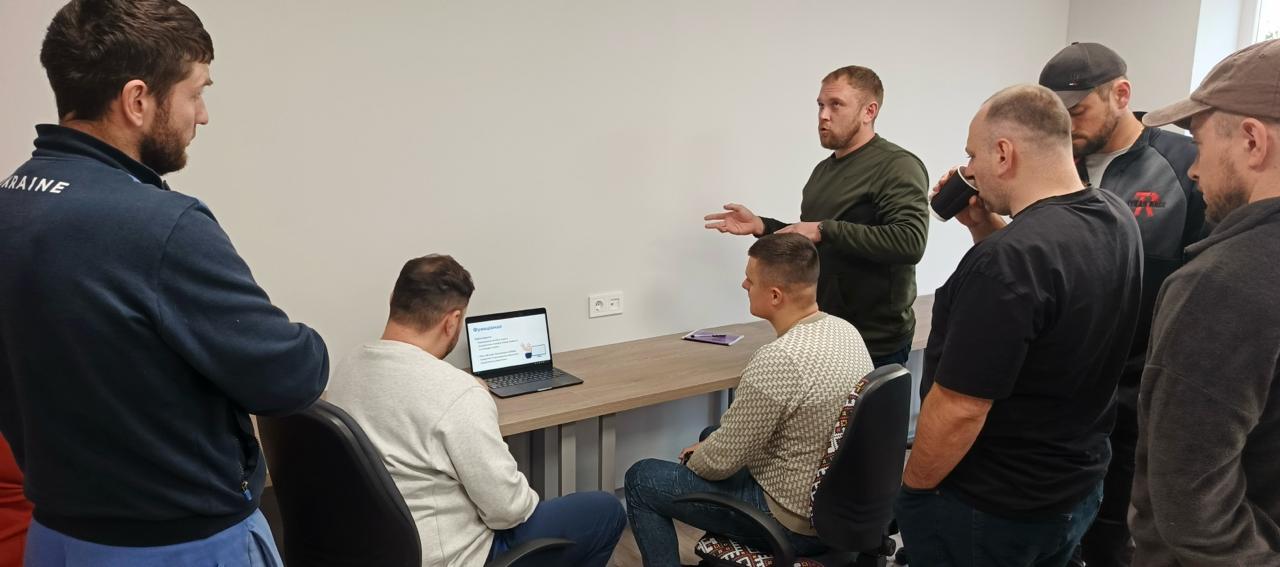
Rule 5. Recall your own experience of major change
To better understand a veteran, you don’t need to have combat experience. Recall your own moments when life changed abruptly: a move, a new job, the birth of a child, a long illness, or another event through which you had to get used to a new reality.
Veterans returning home need other people’s advice the least. What matters more to them is patience, support, clear rules, and the opportunity to regain control over their own life step by step.
Rule 6. Don’t “shield” the veteran from responsibilities
It often seems that a close person should be freed from any duties for a while. When loved ones take on all the tasks, they often do so out of love. However, excessive care can unintentionally deprive the veteran of the opportunity to feel their own independence and self-confidence again.
Involve the close person in everyday matters, joint decisions, and family responsibilities. This way, they will gradually return to an active life and feel their own value.
Rule 7. Involve them in shared tasks and clearly agree on expectations
How to properly interact with those returning to civilian life:
- Involve them in a shared task;
- Explain the rules;
- Let them try on their own;
- Clearly state expectations.
Example of a conversation with family:
— Hi! I need your help with the fence. Do you have some time?
— We usually do it this way: one person holds it, the other fastens it.
— Try it yourself, and if needed — I’ll help.
— I want the structure to be sturdy, so it’s important to carefully secure all the posts.
Example of a conversation with colleagues:
“Good afternoon! We need to repair the car, will you take care of the engine?”, “Let’s agree that the result is needed by Friday. If any difficulties come up — let me know right away, we’ll look for a solution together”. “It would be convenient to lay out the parts in this order”.
The main thing here is matching the employee’s level of qualification. If the veteran already has professional experience, entrust them with real tasks. Otherwise, instead of support, it will sound condescending, as if they are being given unnecessary trivial work. Genuine support is not about creating artificial busywork, but about trusting the person’s professional skills and giving them the opportunity to make a real contribution to the shared cause. This is exactly how a sense of being needed is formed, which is an important part of returning to civilian life.
Post-traumatic stress disorder (PTSD) is a condition that can arise after traumatic events. Fortunately, it develops in far from every veteran. Support from loved ones, a sense of community, and a return to active life play a huge role in recovery. However, if symptoms interfere daily or loved ones see that it’s hard to cope alone, it is worth seeking professional help.
Rule 8. How an employer should build dialogue with a veteran
After returning to civilian life, work often becomes one of the key stages of adaptation. At the same time, employers may have questions: how to properly build communication, whether the specifics of combat experience need to be taken into account, and how to support a new employee without bias.
Instead of asking questions that may be perceived as distrust or bias, it’s worth discussing the interaction format that is customary for the whole team. For example:
- How is it customary in the team to report difficulties?
- What feedback format is most comfortable for you?
- What helps you recover after a stressful day?
- What is the best way to communicate changes or urgent tasks?
Such questions are appropriate for anyone on the team, and the veteran decides for themselves how many details about their experience to share. If there’s no answer to something yet, then give it time or think it over together.
Rule 9. Be ready for typical reactions: “explosion” and “freezing”
Some veterans in public places may react exactly this way:
“Explosion”
Due to accumulated tension, a veteran may suddenly snap over a minor trigger — loudly accusing, shouting, complaining. In such a moment, there’s no need to calm the person down or argue with them. Remember: this reaction is the result of long-term stress, not of your actions here and now.
If the situation poses no danger, stay calm, don’t raise your voice, and don’t get into an argument. Give it some time for the emotions to subside. Often it is precisely a calm presence nearby that helps more than attempts to immediately “calm” someone down. Don’t take what is said in such a state literally — it is a manifestation of fatigue and accumulated irritation, not a considered opinion.
“Freezing”
The opposite also happens — someone snaps at the veteran, and they seem to freeze, looking confused. The same reaction can arise from a failure in a simple task, for example, paying for a ride. This is the result of accumulated experience of failures, where the last straw is something completely insignificant.
If the person looks disoriented, first of all calmly address them and ask if they need help. If you know each other well and they don’t mind being touched, you can carefully touch their shoulder or arm. Ask simple questions that will help them orient themselves: what their name is, where they currently are, whether they can contact loved ones.
Rule 10. Take sensory triggers into account
Loud sharp sounds (for example, a construction jackhammer, car horns, a door slamming, or other unexpected noises) can cause an instant and very strong reaction: sudden fright, a desire to hide or find a safe place, a surge of aggression. This is not a whim or a weakness, but a natural reaction of a nervous system that has spent a long time in conditions of real danger.
The same applies to large crowds, stuffy closed spaces without a clear path to an exit, sudden touches from behind, or someone unexpectedly appearing nearby. If you are planning a shared event where a large gathering of people, loud music, or other potentially stressful factors are expected, it’s worth warning the veteran about this in advance and giving them the opportunity to decide for themselves whether to take part, and if so — to choose a spot where it will be more comfortable and easier to orient themselves.
If an unexpected loud sound does occur and you notice a sharp reaction, don’t grab the person or pull at them — a sudden touch in such a state may only increase the anxiety. Calmly explain where you are, what happened, and that there is no danger. Give the person a few seconds to compose themselves.
Instead of a conclusion
Everyone can support veterans in everyday life: with respect, attentiveness, and a humane attitude. But it is no less important to create conditions that help build a new stage of life after service. It is with this purpose that the Academy for Heroes works — it offers veterans free IT training programs and helps them find work. You can read about how graduates themselves go through this path in the section “Student Stories”. You can join this mission either with a charitable contribution or through a business partnership.

